-
AI-First ESG Reporting
Start your ESG journey today with Presgo
Talk to an ESG Expert
Structure and Security for Your ESG Operations
Scattered responsibilities and inconsistent processes make ESG reporting hard to manage. Our ESG management system centralises governance with enterprise-grade controls, keeping data structured, roles clear, and compliance on track.

Ensure ESG operations are secure, structured, and scalable.
-
FAQs
-
What is the Presgo Admin Module?
The Presgo Admin module is the configuration foundation for the entire Presgo ESG management system. It enables organisations to set up security controls, define their corporate structure and reporting periods, manage user access, and establish system-wide standards for ESG data collection and governance across business units to ensure a scalable and audit ready reporting
-
How does the Presgo Admin Module manage users, roles, and permissions?
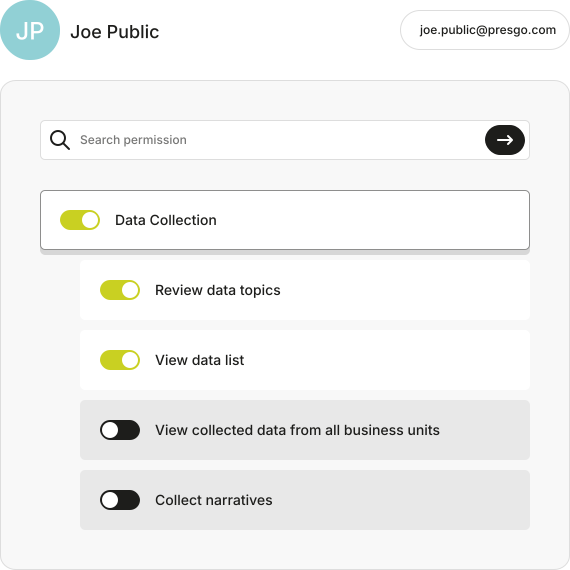
It uses role-based access control (RBAC) to manage platform access. Administrators can create custom roles, assign users to specific ESG topics or framework sections, and set granular permissions for drafting, reviewing, or viewing data. This keeps accountability clear and ensures the right people have the right level of access throughout the reporting workflow.
-
How does the Presgo Admin Module support organisational structure and access control?
The module lets administrators accurately map complex organisational structures, including subsidiaries, regional offices, and divisional teams. Access is further refined through features like Locked Periods and Topic Maintenance, which help teams manage contributions consistently and securely across the organisation.
-
How does the Presgo Admin Module help enforce system-wide governance and security settings?
It maintains data consistency and security through several built-in governance tools: Lookup Tables (LOVs), Reporting Units and Currency settings, Security Policies, and Two-Factor Authentication (2FA).
-
Can the Presgo Admin Module integrate with identity management or authentication systems?
Yes. It supports enterprise-grade Single Sign-On (SSO) using SAML 2.0, OAuth 2.0, and OIDC protocols, and is compatible with major identity providers including Microsoft Azure AD (Entra ID), Okta, and Microsoft Active Directory. This streamlines access management and reduces administrative overhead.
-
How does the Presgo Admin Module support auditability and administrative oversight?
It maintains a granular audit trail that logs all user actions, including data modifications with before-and-after values. For enhanced oversight, audit logs can be forwarded to SIEM solutions for centralised monitoring. Administrators can also configure automated email reminders for reporting deadlines to keep teams on track across the system.
-
Does Presgo provide support to help teams navigate the system?
Yes. Our local ESG experts can walk you through the Presgo ESG Management system to manage users, permissions, and platform settings with confidence.
-
Publications