Contents
- Why is renewable energy growing faster than LNG in the Philippines?
- Why is coal generation declining in the Philippines?
- How does government policy support the energy transition?
- How do economics shape the Philippines’ energy future?
- What challenges and opportunities lie ahead?
- What does this mean for the future of electricity in the Philippines?
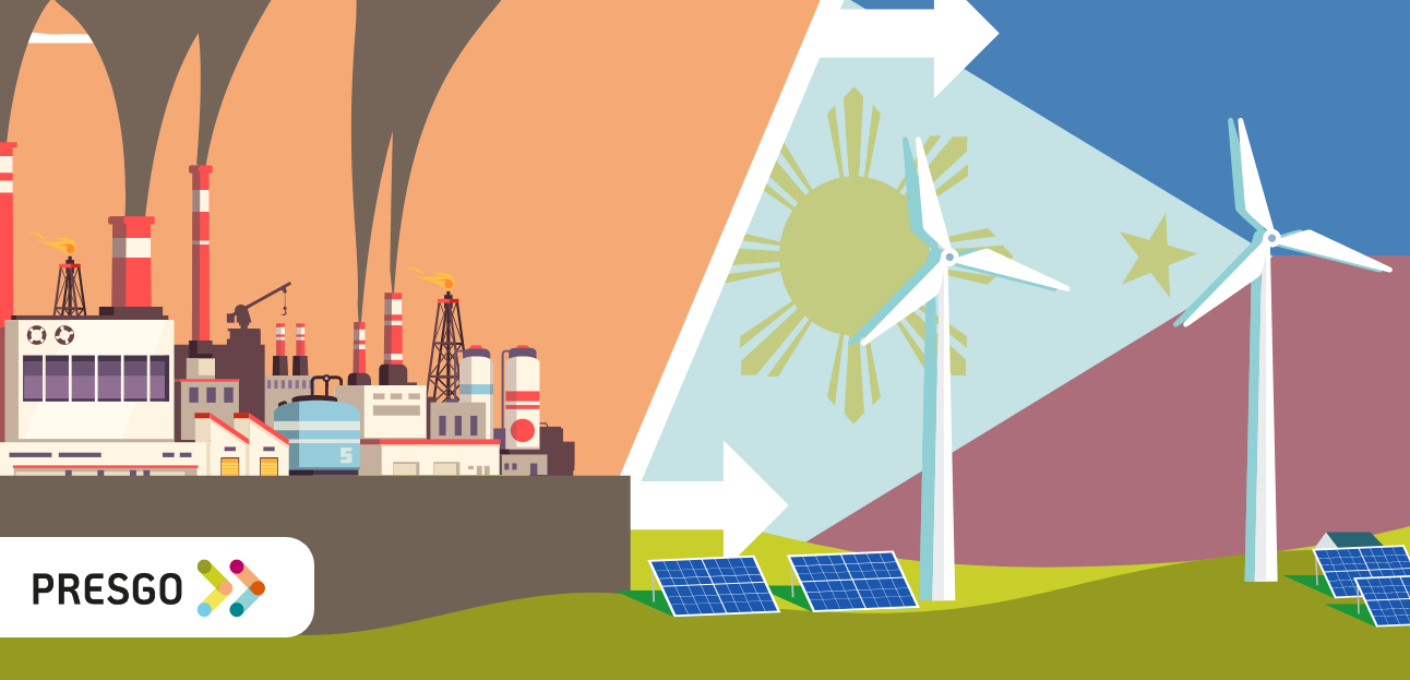
The Philippines is at a turning point in how it produces electricity. For decades, coal-fired power plants—facilities that burn coal to generate steam and electricity—formed the backbone of the nation’s energy system, powering homes, businesses, and industries. But this reliance came at a heavy cost: air pollution, greenhouse gas emissions, and exposure to unpredictable global fuel prices. The decline of coal generation in the Philippines underscores the need for a cleaner, more sustainable energy mix.
A new energy story is unfolding. Renewable energy—which comes from natural sources like sunlight, wind, rain, tides, and geothermal heat—is no longer a niche option. It is actively transforming power generation in the Philippines. With abundant solar, wind, geothermal, and hydropower potential, the country is positioned to lead Southeast Asia in clean energy adoption. Unlike fossil fuels, these resources are locally available, sustainable, and increasingly cost-effective.
This shift isn’t just about environmental responsibility. It’s about creating a resilient, affordable energy system that fuels economic growth, reduces dependence on imported fuels, and protects households and businesses from global market shocks.
Investing in renewable energy also drives innovation and local employment. From solar panel manufacturing to wind turbine installation and geothermal plant maintenance, new industries are opening high-skilled job opportunities. Communities benefit, too, with cleaner air and reduced environmental risks—a critical advantage in a nation frequently affected by typhoons and flooding.
Why is renewable energy growing faster than LNG in the Philippines?
In the past five years, renewable energy in the Philippines has outpaced investments in natural gas in the Philippines and other non-renewable energy resources. Natural gas, a fossil fuel burned to produce electricity, remains part of the grid, but its long-term role is uncertain. The Malampaya field, the country’s primary domestic source, is nearly depleted, and LNG imports are expensive and subject to price volatility.
Key drivers of renewable energy growth:
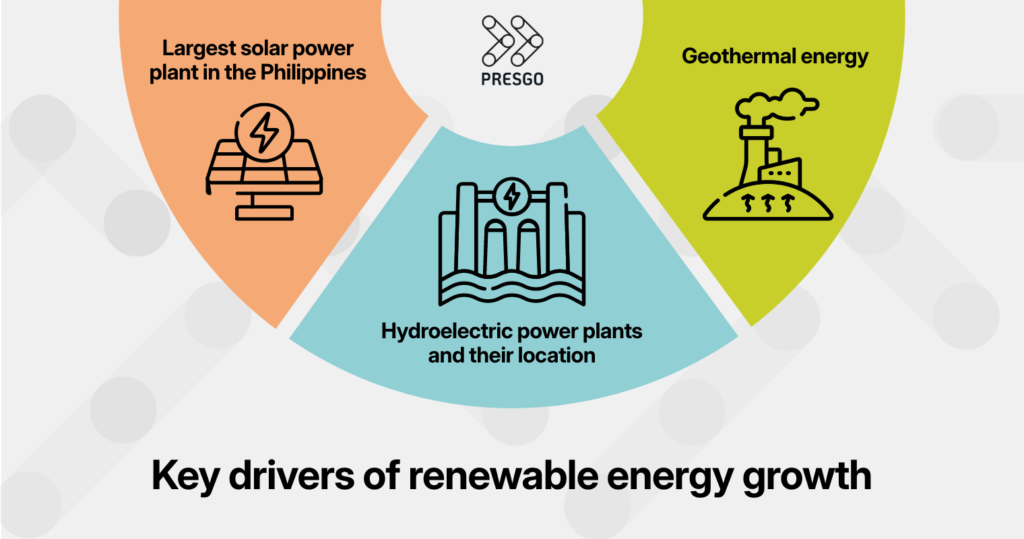
- Largest solar power plant in the Philippines: Nueva Ecija’s expansive solar farm shows that solar power—electricity generated from sunlight—can meet large-scale demand.
- Hydroelectric power plants in the Philippines and their location: Facilities in Benguet, Bukidnon, and Mindanao generate reliable electricity by harnessing the energy of flowing water.
- Geothermal energy: The Philippines’ volcanic landscape allows it to tap into Earth’s internal heat, providing stable, round-the-clock power.
These major renewable energy resources reduce reliance on imported fuels while helping stabilize electricity in the Philippines costs for both consumers and businesses.
For households and small businesses, renewable energy brings more predictable bills. For industries, it secures reliable, cost-effective power for production lines and operational continuity.
Why is coal generation declining in the Philippines?

Coal, a carbon-rich rock used for electricity generation, once dominated Philippine energy. Coal-fired power plants are now facing rising costs, aging equipment, and reduced financial backing, causing their share of electricity in the Philippines to fall.
Key reasons include:
- Rising costs – Global coal prices have surged, making electricity from coal more expensive.
- Operational challenges – Older plants frequently break down, leading to costly outages.
- Financial pressure – International lenders are increasingly hesitant to fund coal projects.
- Competition from clean energy – Renewable sources are now cheaper and easier to maintain, offering long-term stability.
Recent data suggest that 2025 may be the first year in almost two decades where coal generation declines, marking a turning point for the Philippine energy landscape.
How does government policy support the energy transition?
Government initiatives have been vital. Programs like the Green Energy Auction guarantee market access for renewable energy producers, while tax incentives encourage private investment in solar, wind, and hydro projects. The government’s ambitious targets are:
- 35% renewable energy share by 2030
- 50% renewable energy share by 2040
Households and businesses also participate through net metering, allowing them to generate electricity on-site and sell any surplus back to the grid. Together, these measures enhance Philippine energy security and promote a steady move away from non-renewable energy.
Stable policies, clear incentives, and grid modernization are key to maintaining investor confidence and ensuring the transition continues smoothly.
How do economics shape the Philippines’ energy future?
Costs are driving change faster than policy in some cases. IEEFA reports that building new renewable energy capacity is now more cost-effective than constructing or running coal or gas plants. Key economic advantages include:
- Lower operating and maintenance costs
- Protection against fuel price volatility
- Access to green financing and improved ESG credentials
Companies using ESG reporting software like Presgo can track emissions, demonstrate compliance, and show commitment to sustainability, which can strengthen their reputation in increasingly eco-conscious markets.
What challenges and opportunities lie ahead?
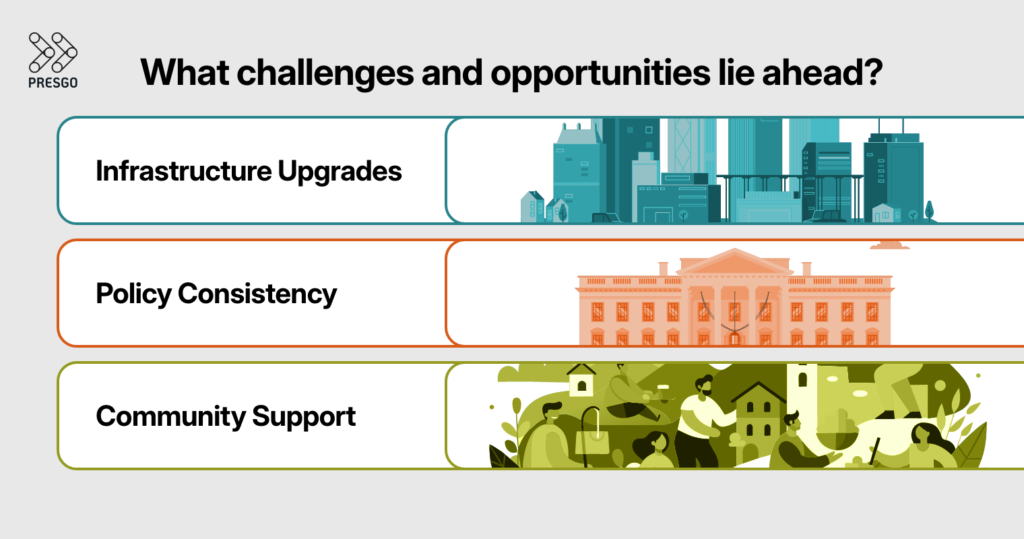
Transitioning to a renewable-heavy grid presents challenges:
- Infrastructure upgrades: Transmission and distribution systems need modernization to integrate variable renewable sources.
- Policy consistency: Investors need stable, long-term regulations.
- Community support: Workers moving from fossil fuel sectors require retraining and assistance.
Despite these challenges, opportunities abound. The shift to renewables generates local jobs, improves air quality, increases energy independence, and supports a sustainable economy.
What does this mean for the future of electricity in the Philippines?

The decline of coal marks a historic turning point. Renewable energy is becoming the backbone of electricity in the Philippines. By investing in clean energy, diversifying sources, and implementing supportive policies, the country is paving the way for a reliable, climate-resilient energy future.
For organizations looking to lead in sustainability, Presgo’s ESG reporting solutions offer the tools to measure, manage, and showcase progress toward a greener future.
Take the first step today. Request a demo and help power a cleaner, stronger Philippines.